By: Fistum Getachew
April 2nd 2018 can be considered as a watershed in modern Ethiopian political history. It was a special day in many respects. It was the end of a period of political turmoil. The Ethiopian People’s Revolutionary Democratic Front’s (EPRDF) prolonged crisis caused by angry youth movements in many regional states had reached tipping points. The genie was already out of the bottle and there was no turning back. Peoples’ frustration with how the country was being run by the then incumbent had met with fierce opposition. Violent rallies and demonstrations were held along the streets and squares of many urban areas. The youths showed their courage by facing even armed law enforcement troops. Many sacrificed their precious life because they felt they had enough of the government’s unfair policies which according to them did not take into account their aspirations and needs. They felt they were particularly marginalized and discriminated.
EPRDF high ranking officials held a series of meetings to gauge the situation and do what it could do to calm down the public’s protest so that it could not go out of control. Interminable discussions and debates were held to reach to a certain consensus among the leaders of the coalition. People in the meantime were very much worried about the continuing prolonged stalemate. Uncertainty was the order of the day. People were anxious about the future of the country. There was the impression that things could go out of control or go in the wrong direction putting the very survival of the state in danger. There was the semblance of power struggle in the palace.
At the same time, however, the more optimist ones felt a certain hope that things would go better because it could not go worse. After turbulent times there are often calmer and brighter days, they thought. Finally, the atmosphere of uncertainty would fade away. But not having any clue as to what was brewing behind the curtain continued to create some suspicion and anxiety among the people.
There were continuous speculations and contradictory conjectures as to what was actually going on. Given the government was facing persistent protests from the youths it was feeling a bit powerless because the crowd would not disperse and the casualties among the protesters stimulated even more to continue with the protest with more anger and resolve.
In the meantime, the social media was filled with images of huge crowds inundating the streets and squares of many cities. Such footages circulated throughout the world and there was negative coverage of how the situation was handled by the government. This did not please the donors and development partners of Ethiopia. Protesters were seen burning down the properties of the rich which they thought were part of the oppressing ruling class. Even trucks carrying quintals of food items were seen in the footages burning. Clearly the country was being immersed in a serious crisis of which it appeared not to come out. And the only alternative was to introduce radical and visible change and give the protesters new hope. Undoubtedly, the protesters seemed not ready to accept anything less!
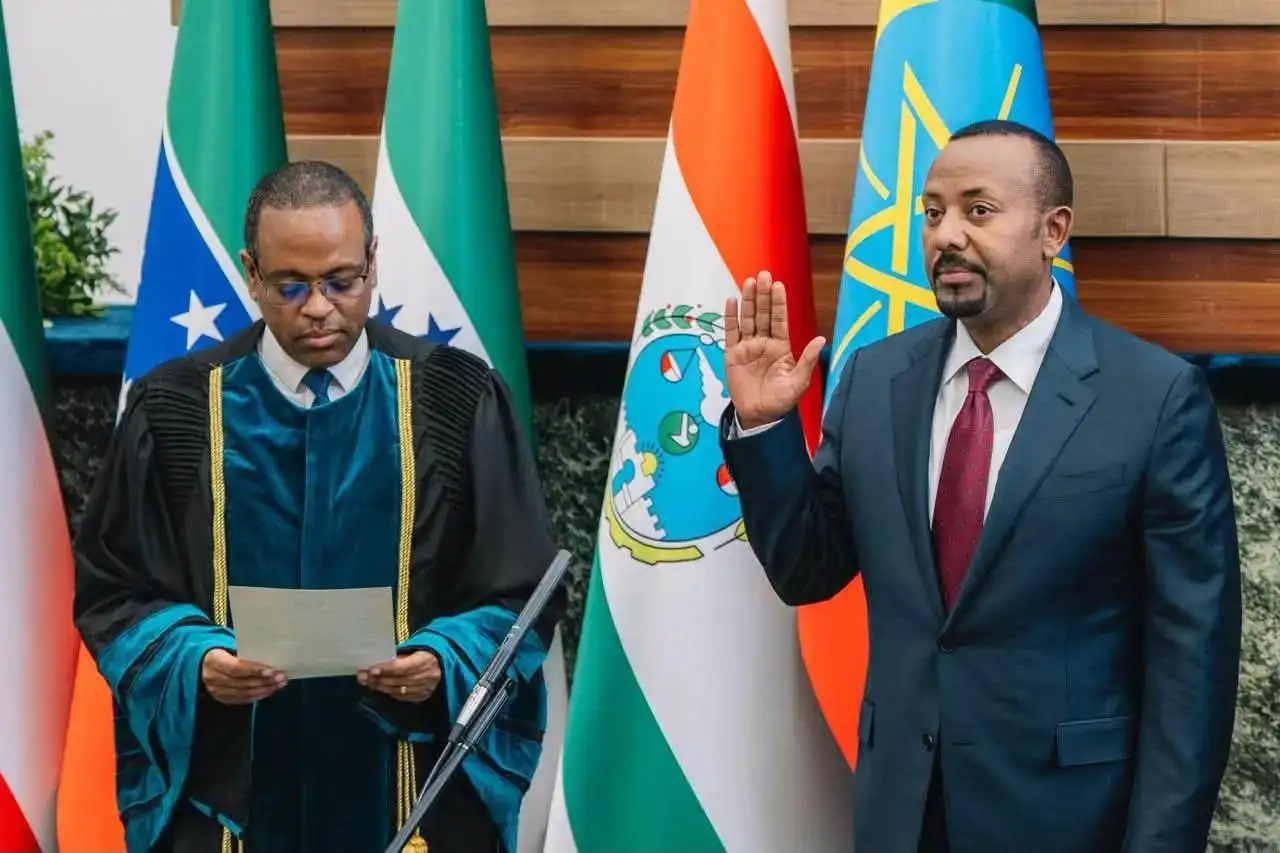
It was under these circumstances that in 2018 the new government led by Prime Minister Abiy Ahmed (PhD) came to the fore. That was the day when people felt that something was really changing in the system. There was the impression and conviction that a new dawn was breaking.
We can conclude that the administration led by Abiy Ahmed since 2018 represents one of the most transformative and turbulent periods in modern Ethiopian political history. Emerging from a context of prolonged political unrest and public dissatisfaction with the ruling coalition, Abiy’s rise to power was associated with optimism, reform, and a potential democratic opening.
Over the past eight years, the Ethiopian government has exhibited a complex blend of reformist ambition, centralizing tendencies, conflict management struggles, and extensive institutional enhancement. It is an ongoing process and a conclusive evaluation cannot be made today after only eight years but the process is on the right track despite the various and persistent challenges. The features of governance under his leadership are rated as major successes albeit in the midst of challenges that have defined this era.
The Ethiopian government under Abiy Ahmed is characterized by a strong executive leadership model combined with an attempt to reconfigure the political order from ethnic-based federal coalition politics toward a more centralized and unified national framework. One of the defining features of his administration has been the dissolution of the Ethiopian People’s Revolutionary Democratic Front (EPRDF) and its replacement with the newly founded Prosperity Party. This marked a significant ideological and institutional shift.
While the EPRDF functioned as a coalition of ethnically organized parties, the Prosperity Party was designed to transcend ethnic divisions and promote a pan-Ethiopian political identity. This transition, however, has been both transformative and controversial, as it challenged the foundational principles of Ethiopia’s ethnic federal system.
Another major feature is the government’s emphasis on political and economic reform, particularly during the early years of Abiy’s leadership. The administration began its work with the adoption of liberalization policies, including the release of political prisoners, the welcoming of exiled opposition groups, and the opening of previously restricted political space. These actions were widely interpreted as a departure from the more authoritarian tendencies of previous administrations and were instrumental in building domestic and international goodwill.
Institutionally, the government has also emphasized modernization and state-led development. Efforts have been made to digitize public services, improve infrastructure, and attract foreign investment. Large-scale projects in energy, transportation, and urban development have continued, reflecting Ethiopia’s long-standing developmental state model, albeit with attempts to integrate more market-oriented reforms.
In this regard, completion of the flag ship project of the massive Grand Ethiopian Renaissance Dam (GERD) could be considered as one of the most consequential successes of the reformist government. The EPRDF government was heading in the wrong direction in the construction process. Rectifying what was going wrong needed a huge extra investment and effort and with the mobilization of the Ethiopian people it was completed and inaugurated in front of lots of presidents and heads of state and government as well as international organizations at the spot where the dam is situated. It is about seven hundred kilometers to the north west of Addis Ababa, near the Sudan border.
Since then the GERD has been taken as the new symbol of Ethiopia that showed to the world that it is capable of, constructing with success any mega project with its own means and without making recourse to the burdensome conditions of commercial loans or waiting for the charity of others which has its own repercussions in terms of the dignity and image of the country with a population of more than 130 million and immense natural resources.
In terms of foreign policy, the most notable achievement was the peace agreement with Eritrea, which formally ended two decades of hostility following the Eritrean–Ethiopian War. This diplomatic breakthrough earned Prime Minister Abiy Ahmed (PhD) the Nobel Peace Prize in 2019 and significantly enhanced Ethiopia’s international standing. The government also sought to reposition Ethiopia as a key regional actor in the Horn of Africa, engaging in mediation efforts and regional cooperation initiatives.
Side by side with the achievements, however, there were profound and multifaceted challenges that tested the capacity of the country to navigate turbulent seas which also risked to undermine the various reform agenda and exposed structural weaknesses in the Ethiopian state. Foremost among these is the outbreak of armed conflict in the Tigray region in 2020. The consequent full-scale war, resulted in widespread humanitarian crises, displacement, and significant loss of life. The conflict also drew in regional actors and militias, complicating the situation further with allegations of human rights abuses.
The Pretoria Peace Agreement ended the hostilities and there are hopes that full normalcy will follow irrespective of intestinal tension in the regional state. Similar tensions have manifested in other regions, including Oromia and Amhara, where localized conflicts, insurgencies, and inter-communal violence have been persistently challenging the government despite its invitation to all that they could address their issues through peaceful talks. Some have returned to the table, a few others are taking their time hidden in the bush. Inevitably, these security challenges have contributed to strain the government’s capacity to peacefully continue with its sustainable political and economic reforms.
The 2021 elections were conducted successfully despite the skepticism of certain people who alleged that the COVID-19 phenomenon would not allow free movement etc. However, the elections took place without any negative incidents.
Economically, the government had to resist both structural and external pressures. Ethiopia had experienced high inflation, foreign currency shortages, and rising public debt but they were all moving to the right direction with the putting in place of the reformative measures. Partial privatization of state-owned enterprises was carried out. External shocks, such as the global economic disruptions associated with the COVID-19 pandemic and geopolitical tensions, had to be navigated smoothly avoiding complications in the economic landscape.
Nevertheless, the government has continued to achieve notable and admired successes such as the Corridor Development Project that has been transforming practically all of the major urban centers of the country. The project is being extended to the rural areas as well. The consequences of this nationwide effort have had transformative features in the way people live and interact with each other. Access to clean and healthy environment is contributing to people’s comfort in the cities affected by the project. It is normal to hear residents expressing their appreciation of the government for this development. In fact, it has become one of the trademarks of the reformist government attributed largely to the premier.
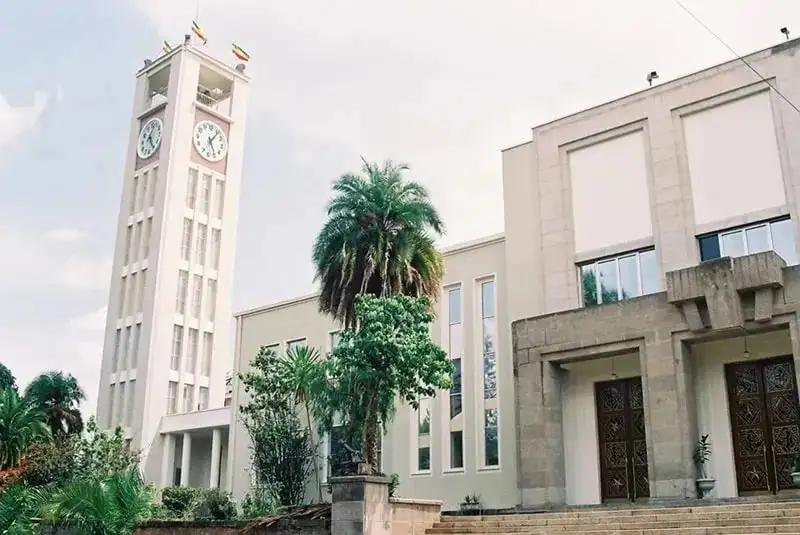
The various resort areas around the country such as the Gorgora Resort, the Wonchi Lake Resort and many others are also among the visible achievements of partnership between the public and the government. The renovations of various historical sites such as the National Palace in Addis, the Fassiledes Palace in Gondar, the Abajifar Palace in Jimma and the Sofomor Caves in Bale can be cited among the many similar efforts by the government intended to contribute to the flourishing tourist industry, one of the pillars of the economic reform.
The Green Legacy initiative which involved the planting of billions of tree seedlings has brought the country to the forefront of international arena as a trailblazer in expanding green and resilient economy. In fact other countries have emulated it expressing their admiration. The environmentalists have commended Ethiopia’s efforts and it was awarded with the chance to host COP32 in 2027.
Infrastructure development has continued at a significant scale, including investments in renewable energy, such as hydroelectric power projects, and improvements in transportation networks. These initiatives are critical for Ethiopia’s long-term economic growth and regional integration.
Additionally, the government has made efforts to enhance Ethiopia’s diplomatic engagement beyond the Horn of Africa. It has sought to strengthen economic ties with global partners and to attract foreign direct investment. These efforts reflect a strategic attempt to position Ethiopia within a rapidly changing global economy.
Socially, there has been an increased emphasis on national unity and reconciliation. The recently established National Dialogue Commission can be cited as an example of the efforts the government is exerting to bring people of all walks of life, from the diaspora and at home, to the table for a peaceful and inclusive exchange of ideas and thoughts in search of consensus. Progress has been made in this respect because millions have taken part in the agenda collection process by the Commission and soon the real debates and deliberations will be conducted.
In evaluating the past eight years, it becomes clear that the Ethiopian government under Abiy Ahmed can be easily categorized as a success despite the various challenges it had to struggle with. The administration has demonstrated boldness in initiating reforms and pursuing peace at the regional level, even while struggling against certain hostile forces both from within and from external influences.
In conclusion, over the past eight years, the government has been defined by ambition, determination and resolve to carry out the programs of the party and administration. The future trajectory of Ethiopia is promising in spite of whatever challenges may try to block it. With the imminent elections, expected to be free, fair and credible, the government seems confident to earn the confidence and support of the people with their votes.