
By: Fistum Getachew
As part of the Ethiopian tradition, when serious social problems arise among communities or even families, staging a platform of the elderly in the community to resolve the problems deriving from disagreements or similar other social problems was once the order of the day. Whenever there were irreconcilable disputes among communities or their members even at the level of families, there was a tradition of calling a kind of assembly or meeting when there was the opportunity to present the issues to the gathering and then seek a viable solution to the problem at hand. There was no recourse to hostilities as soon as disputes or disagreements among communities, families etc. arose. People were aware of the fact that recourse to force to solve problems would leave no one winner and there preferred to resort to this traditional means of addressing critical community issues. They had confidence in those means and relied on them with fervent hope.
Before staging any sort of hostilities there was the tradition of presenting the case to this form of ‘traditional court’ in search of a peaceful solution. People have great respect for the elderly, the religious leaders and people considered wise and experienced, deemed capable of resolving social problems by acting responsibly and neutrally. This tradition has kept communities in relative peace since time immemorial. Whenever there were disputes among communities as a whole, before resorting to the use of force, a call is made to the community leaders to discuss the case thoroughly and do everything possible to avoid resort to violence and hostilities that could only be source of devastation and loss of lives.
However, unfortunately, since recent times there has been a tendency to dilute these precious traditional ways of settling disputes, misunderstandings or even differences among communities by staging consultations among the elderly and the community members.
The current National Dialogue Commission can be taken as a sort of continuation, rediscovery or resurgence of this precious tradition that has come from our forefathers who managed to coexist largely in peace and conserved most of the values we share today. A nation of multiple ‘nationalities’ or ethnic origins with differing views, beliefs, ideologies and convictions resorting to such means of resolving disputes can be crucial for the preservation of continuous co-habitation in peace. The call for consultations among all Ethiopians in search of solutions to the fundamental political issues of the country that have developed along the past decades has been piling up for years but the calls were never headed, at times generating fierce confrontations and violence.
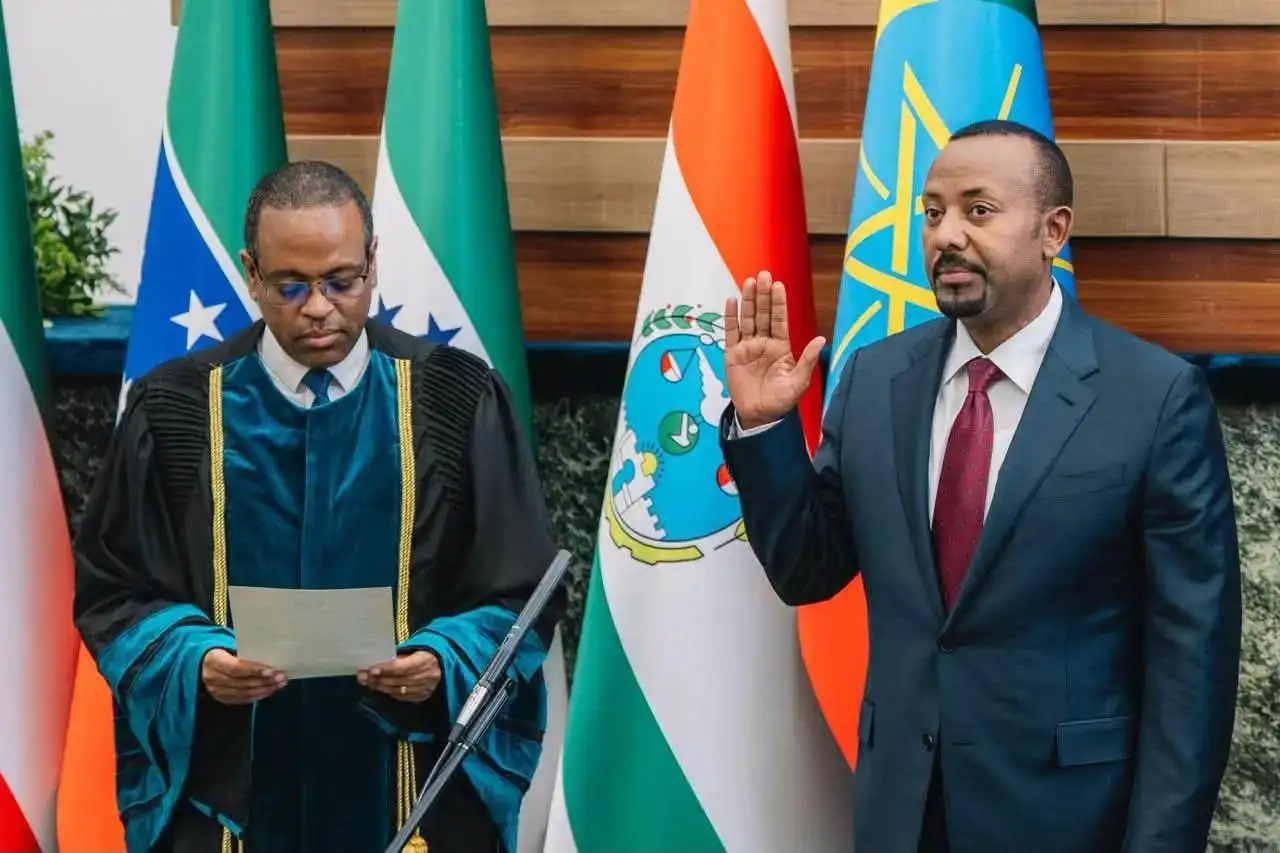
When recently Prime Minister Abiy Ahmed (PhD) had an intervention in parliament talked about the significance of the National Dialogue Commission, he noted that there were times when many political forces and academics in the profession exerted a lot of efforts to convince previous governments to prepare the ground for some sort of consultation among Ethiopians to seek a kind of solution to Ethiopia’s major political problems and reach an acceptable consensus, but no one heeded their calls. They were given deaf ears! But now that the current government has taken up the initiative on its own and established the National Dialogue Commission to address this problem, it would not be appropriate to belittle it or dismiss it as useless because we have seen harsh sacrifices paid to have it. The premier was addressing all those who were quick to criticize the Commission as a body that was made to consolidate the powers of the incumbent and it could not be trustworthy! The premier criticized those elements who were fast to discredit such an initiative without even considering to take part in it nor see what sorts of efforts were being exerted by the Commission since its formation.
Many political scientists argue that a nation such as Ethiopia, full of diversities and people of various ethnic and religious communities, can find it very difficult to continue to survive in unison and live in peace if they do not have a sense of community as one nation while respecting the freedom and outlooks of the others. They say that this is especially arduous in the current international geo-political landscape where foreign forces who are not necessarily friendly to Ethiopia are potentially prone and ready to adding fuel to the fire if and when there is one or even try to instigate it by disseminating unfounded narratives one group against others.
Ethiopia has enough of its own internal challenges without needing the ‘interference’ of unfriendly external forces bent to take advantage of certain adverse situations. That is why the mission, vision and responsibilities of the National Dialogue Commission become critically important. There should be the habit of tolerance among diverse views and mentalities to continue in harmony and peace as one country. In the end, there should be consensus on fundamental issues that matter for the country such as what form of government should the state have and how should the leaders be chosen etc. Accordingly the Commission has selected eight major topics on which to focus the deliberations and a constructive outcome is expected at the end of the entire process. Many say this could be the beginning of the ‘rebirth of Modern day Ethiopia’ dismissing and forgetting all sorts of misguided and exaggerated narratives that put communities against one another. It could be the right opportunity to look ahead instead of remaining glued to the past and miss all the trains of opportunities to grow and prosper together because the country has everything it takes to flourish.
For centuries Ethiopia has undergone various types of regimes but none of those could be considered as ‘democratic’ by present day standards or priorities. Rather, they can easily be categorized among the authoritative types of regimes who reigned on their citizens considered more of like subjects to the undisputed authority of the monarch or whatever title they may be conferred with. If there are any forms of resistance to the legitimacy of the authority of the ruler, those who launch the challenge should expect the fierce reaction of the authority through the use of force. There were no chances of consultation with the citizens because of the unfamiliarity of the very concept even among the ‘subjects’.
Such forms of government are now more of a rarity rather than the norm. Citizens have ample power to condition their leaders. In fact, in true democracies it is the citizens who decide their fate by choosing their leaders. As they bring them to power, they also have the same power to change them with others. This is normal in any democracy.
Unfortunately we have seen that in many developing countries democracy is not yet a strong reality to be taken for granted. They are still uncertain about the continuation of this system of government. That is why we see so many disputes and controversies with the potential of breaking up the nation. In similar circumstances, the risks of conflicts are real and that is why they abound in the headlines of news in international media. Obviously, these societies would need some form of mechanism that could bring them around a table and carry out national dialogues to try and resolve their outstanding differences and other crucial problems and points of contention peacefully.
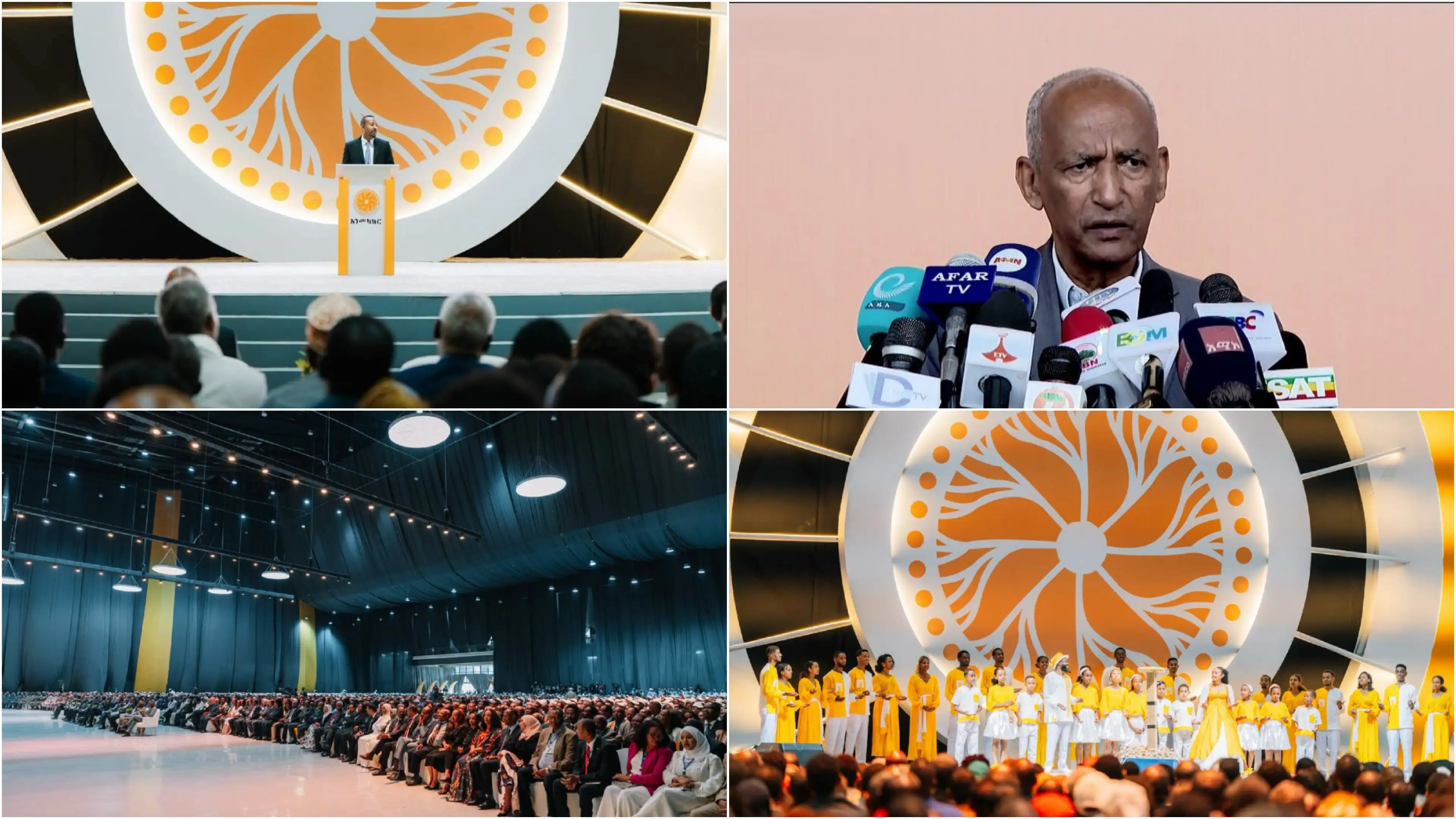
Talking about the current ongoing national conference many academics, civil society leaders and other stake holders have expressed their optimism on the outcome of its activities. For example, esteemed Professor Alemayehu Gebre-Mariam has characterized the conference as a historic process designed to amplify grassroots voices. He said the conference has entered a landmark phase, bringing together thousands of representatives from across the country. He added it has the potential of creating the conditions to be the groundwork for lasting peace, national cohesion, and deep structural reform.
After the Conference started on July 15, 2026 and has brought together more than four thousand participants, including community representatives, civil society leaders, and public figures, it has been deliberating on long-standing political, social, and cultural issues affecting the country. The professor has described the process as a significant milestone in Ethiopia's broader effort to address the root causes of recurring conflicts and build a shared national vision through an inclusive, evidence-based process.
Similarly, Ethiopian Civil Society Organizations Council President Ahmed Hussein has said the dialogue has created an important platform where participants can openly exchange views while listening to one another in a spirit of mutual respect.
Ahmed sad, "While expressing individual views on national issues has long been a trend in Ethiopia, this consultation creates a shared platform where citizens can articulate their interests while actively listening to others. He noted that the process is helping cultivate a culture of constructive dialogue that can strengthen public trust, reinforce state institutions, and promote consensus on national priorities.
Furthermore, Consortium of Ethiopian Human Rights Organizations (CEHRO) Executive Director Mesud Gebeyehu described the dialogue as a significant achievement in addressing Ethiopia's deep-rooted national challenges through peaceful engagement. He said he was impressed by the availability of interpretation in multiple languages so that all participants could have a full understanding of the deliberations and contribute their share of opinions.
As delegates from diverse backgrounds take part in the deliberations, hundreds of young volunteers have been playing a vital role in ensuring the smooth running of the conference.
They are supporting protocol services, managing information desks, coordinating logistics, assisting delegates, and providing hospitality throughout the event.
Submit your comment here
Related News
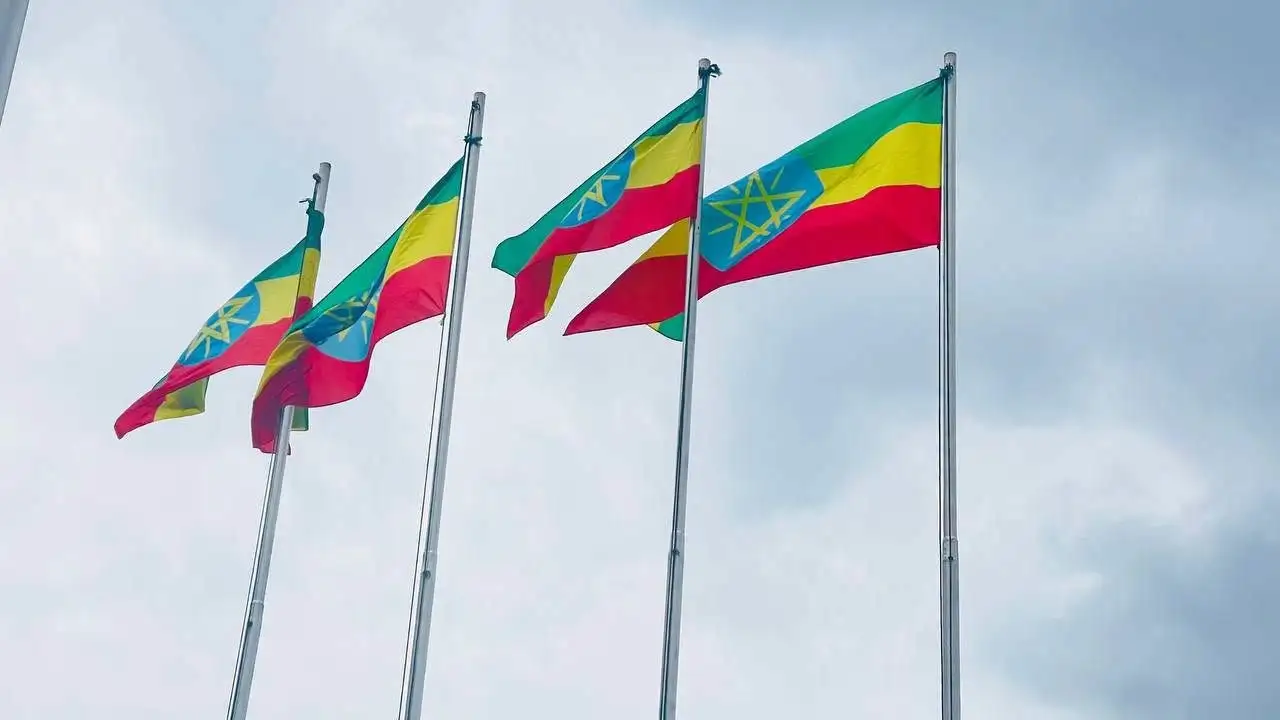
The 19th National Flag Day for ‘National Consensus’
10/13/2026 11:49 AM
How Ethiopia's Flag Inspired the Pan-African Idea
10/12/2026 4:45 PM
The Premier’s Vision for a Prosperous Ethiopia
10/7/2026 11:12 AM