
A country’s transformative journey is not measured solely by urban skyscrapers or sprawling highways. The true, lasting story of development is written in the fields, through the sweat of farmers and the productive seeds sown in the soil, a reality now unfolding across Ethiopia.
With agriculture serving as the backbone of the economy and the foundation of livelihood for most citizens, progress in the sector extends far beyond rising crop yields to strengthen food sovereignty and national economic resilience. The widespread momentum currently surrounding wheat, coffee, avocado, and other produce offers clear evidence of this shift.
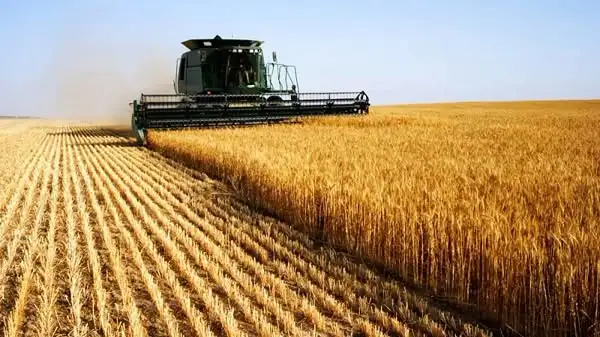
In particular, a dramatic surge in wheat production marks a major milestone in the country's economic trajectory. Thanks to summer irrigation initiatives, Ethiopia has achieved a historic transition from a net wheat importer to an exporter. By irrigating over three million hectares, organizing farmers into clusters, expanding access to modern machinery, and introducing high-yield seed varieties, the nation has realized its vision of domestic food self-sufficiency.
Coffee remains both an economic mainstay and a cornerstone of national identity. Modernizing the supply chain from farm to global markets, tightening quality control, and building direct market linkages have pushed annual coffee export revenues past a historic $3.1 billion. In tandem, the national initiative known as Yelemat Tirufat (“Bounty of the Basket”) has expanded fruit cultivation, notably avocado, alongside livestock and honey production, improving nutritional security while connecting smallholders to lucrative markets.
Modernizing agriculture relies heavily on technology and policy support. Key reforms permitting duty-free imports of farm equipment have driven a sharp increase in the availability of tractors and combine harvesters. Meanwhile, expanding irrigation infrastructure, treating soil acidity, and adopting digital tools have reduced manual labor and minimized post-harvest losses, demonstrating that shifting from low-yield traditional farming to modern commercial agriculture is critical to long-term growth.
At the heart of this transformation remains the farmer. As seeds sown in the fields yield abundant harvests, the dedication of rural communities is actively being converted into economic progress. Modernizing agriculture goes beyond expanding output, it lifts livelihoods and safeguards Ethiopia’s economic independence. The golden wheat fields and flourishing coffee and fruit farms across the country are laying the groundwork for a self-reliant future, proving that every seed planted yields national pride and lasting food sovereignty.